Featured Articles
- Retirement Adventures: Exploring the Growing Trend of 'Retirement Sabbaticals' for a Fulfilling Future
- "Retirement in the Metaverse: How Virtual Real Estate Might Shape Your Golden Years"
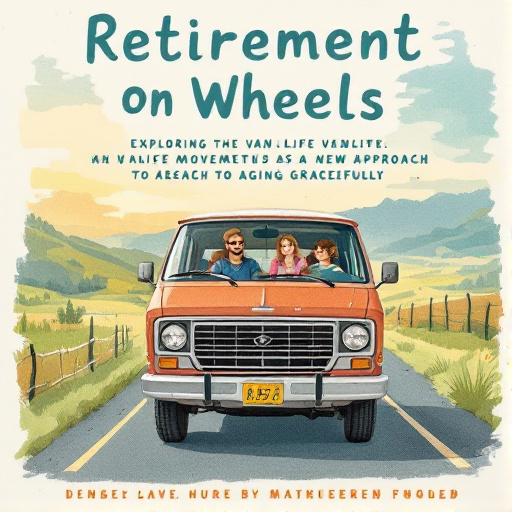
- "Retirement on Wheels: Exploring the Vanlife Movement as a New Approach to Aging Gracefully"
- Retirement Planning for the Unplugged: Embracing Minimalism and Digital Detox Before You Retire
- "Retirement Reimagined: Exploring the Rise of Eco-Friendly Living for Seniors in a Post-Pandemic World"
"Retirement Reimagined: How Virtual Reality is Shaping Future Leisure Lives"
"Retirement Reimagined: How Virtual Reality is Shaping Future Leisure Lives"
Virtual reality (VR) is revolutionizing how we perceive leisure in our retirement years, offering new ways to engage, explore, and socialize. As technology advances, it broadens the horizons for those looking to enrich their golden years with immersive experiences that were once unimaginable.
The Dawn of VR in Retirement
Imagine stepping onto the shores of a tropical paradise without ever leaving your living room. For many retirees, this is becoming a reality thanks to advancements in virtual reality technology. According to a report by the International Data Corporation, the VR market is projected to grow to $57.55 billion by 2027, with significant advancements aimed at home users, providing an accessible gateway to spectacular experiences and adventures (IDG, 2021).
A Window to the World
Virtual reality unlocks a vast array of possibilities, from simple fun to profound experiences. For example, platforms like Oculus Quest provide users access to virtual travel experiences, allowing seniors to take guided tours through ancient cities, climb mountains, or even swim with dolphins—all from the comfort of their home. This technology doesn't just satisfy the wanderlust; it has practical implications for mobility-challenged individuals, making the joys of exploration accessible to everyone.
Feeling Young—Keeping the Mind Active
VR is not only useful for travel. Various research projects emphasize VR's potential in cognitive training, often recommending certain VR exercises to treat conditions such as dementia. According to a study published in the *Journal of Mental Health and Aging*, participants using VR programs showed a marked improvement in memory recall and engagement when compared to traditional cognitive therapy methods (Rizzo et al., 2019). Thus, VR immersion isn’t just about leisure; it can be a vital tool for maintaining a healthy mind.
Challenges and Misconceptions
Despite promising potential, many still harbor skepticism regarding VR's place in retirement leisure. Some believe that technology is only for the younger generations. However, a study conducted by AARP found that nearly 50% of seniors expressed interest in learning more about VR, but notably, only 22% had actually experienced it firsthand (AARP, 2020). This gap suggests an urgent need for outreach and education about the technology's benefits.
A Casual Chat About VR
In friendly circles, you might hear some humorous tales from seniors attending VR workshops: “I put on the headset to visit the Grand Canyon and ended up nearly falling off my couch!” Learning curves exist, but with patient instructors and hands-on experiences, it can quickly become second nature. Just like how our parents might have initially scoffed at devices like the smartphone, once they grasp the technology, the possibilities seem endless.
Case Study: The Virtual Community
Consider the story of a retirement community in Florida that implemented VR gaming nights. Participants, who initially felt isolated, found camaraderie as they battled zombies in a virtual world or discussed strategy over a virtual round of golf. One participant, Mrs. Jenkins, claimed, “It feels like we’re not just gaming; we're traveling the world together!” Continuous social interactions in such virtual realms can stave off loneliness—a common enemy among seniors—making these experiences vital for mental and emotional health.
Enhancing Wellness and Active Lifestyles
Beyond social activities, VR also promotes physical health. For instance, programs like "Beat Saber" encourage users to engage in movement-based gaming, providing a fun and active outlet. As we talk about keeping moving, let's not forget that the CDC states that only 28% of adults aged 65 and older meet the recommended guidelines for physical activity (CDC, 2020). VR could be the fun boost many need to get moving— just imagine the joy of dancing off a few calories in a lively setting without stepping outside!
Gaming Isn't Just for Kids
What if I told you that gaming isn’t just for kids? Recent statistics reveal that the fastest-growing segment of gamers consists of players aged 50 and older. With VR, retirees can engage in games that challenge their coordination, memory, and reaction times. The misconception that video games are frivolous for seniors must be dismantled since they offer benefits ranging from increased dexterity to improved cognitive function.
The Therapeutic Potential
Moreover, therapeutic VR applications are emerging to help those with anxiety, depression, or PTSD. A study published in *Cyberpsychology, Behavior, and Social Networking* highlighted how VR exposure therapy provides safe environments for users to confront fears or relive memories. For retirees dealing with loss or loneliness, VR can offer solace, companionship, and practical tools for coping. This technology ensures a broader interpretation of leisure by intertwining it with healing.
Future Horizons: What’s Next?
As tech evolves, so will opportunities. Imagine VR exercise classes tailored for seniors, where groups can attend yoga or tai chi in virtual studios with instructors guiding them from thousands of miles away. This kind of connection can prove invaluable for people in remote areas where access to such classes is limited.
Creating Virtual Friendships
Importantly, the social aspect of VR isn’t just for the young; it's profoundly enriching for seniors. Virtual platforms allow seniors to forge new friendships across the globe, combating isolation in ways traditional socializing cannot. Once challenged by mobility issues or distance, today’s virtual environments foster social growth. Concerns over making friends in person can now shift toward the digital meeting places of VR coffee shops or art galleries.
Navigating the Tech-savvy Future
It’s crucial that we promote wider access to VR technology to reap its rewards. This can happen through community programs that offer VR devices for trial purposes in libraries or senior centers, or through partnerships with tech companies willing to create tailored content for different age groups. Change starts with understanding—providing tutorials or workshops will empower seniors to step into the VR world confidently.
Conclusion: A New Outlook
Retirement in the modern era is evolving. As younger generations redefine leisure, embracing technology becomes a vital aspect of enjoyment and fulfillment. Virtual reality stands at the forefront of this change, transforming how we think about relaxation, engagement, and social interactions in later life. So why not pick up your virtual passport and dive into the boundless possibilities awaiting you? Whether that’s skydiving or attending a virtual concert, it’s time to reimagine retirement in the digital age!
Related Articles